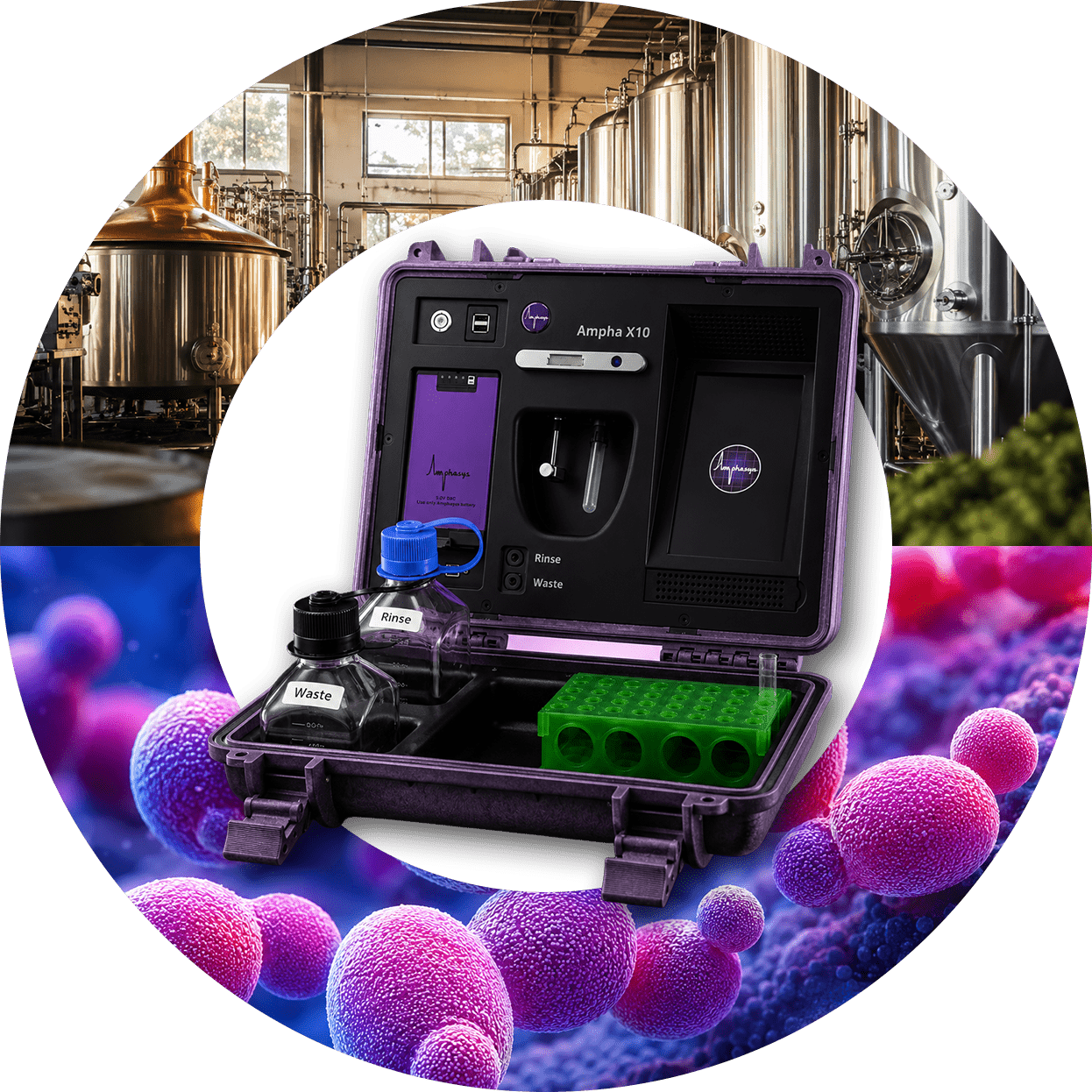
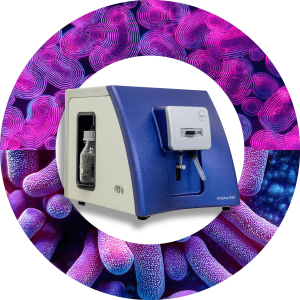


BIOPROCESSING – CELL ANALYSIS
The Measurement Principle: Impedance Flow Cytometry
Impedance flow cytometry is an analytical technique based on the characterization of individual cells flowing through a microfluidic channel under the influence of an applied alternating current field. The resistance (impedance) of the cells in the electric field provides a specific signal that reflects their state.
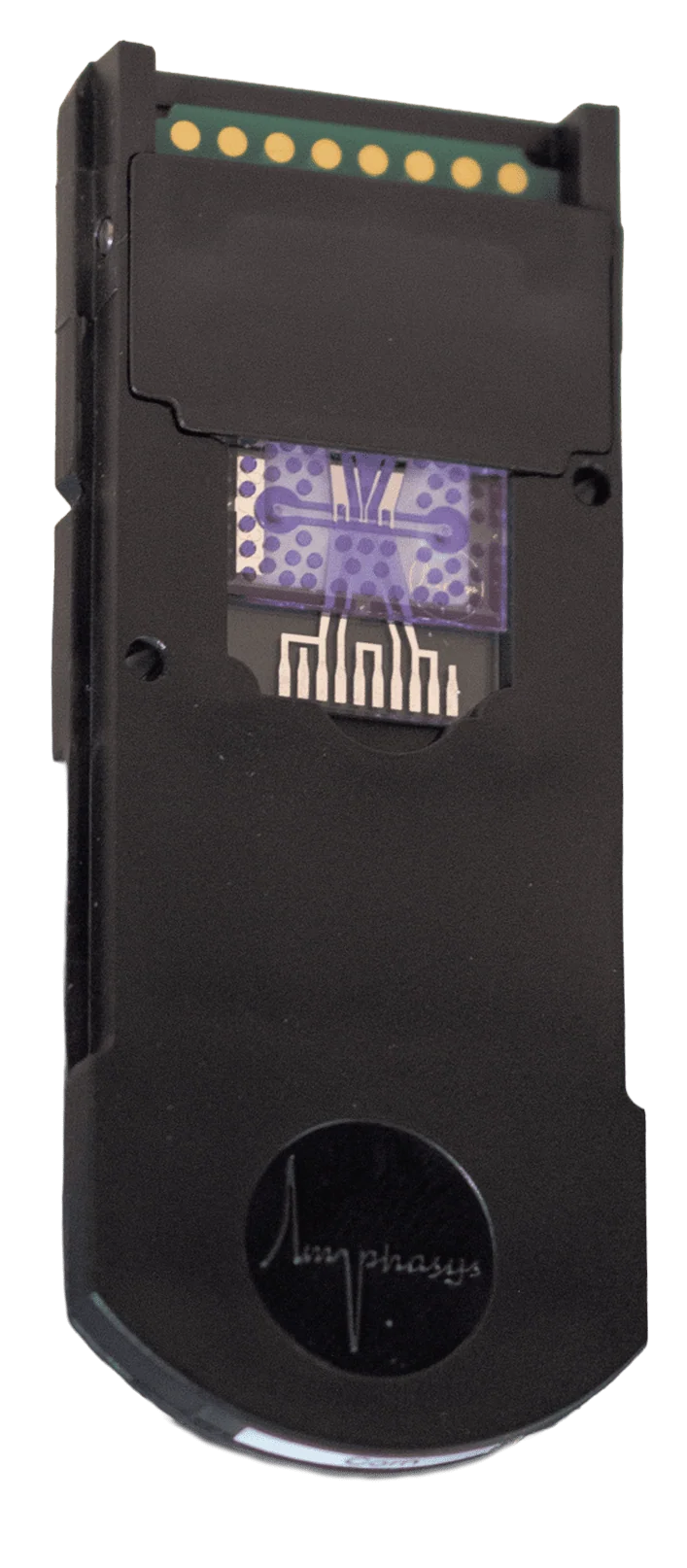
Single-Cell Flow through Microfluidic Chips
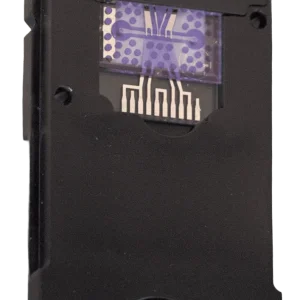
The cells, suspended in a conductive buffer, flow through the channel of a microfluidic chip. Hydrodynamic focusing ensures that the cells pass through the measurement zone individually. Thanks to the channel size being adapted to the cell size, high sensitivity and reproducibility of the measurements are ensured across different cell types and media conditions.
Electrical Impedance Measurement
Every cell passing through the electrodes is influenced by the applied alternating electric field. The simultaneous application of multiple frequencies stimulates different cell properties. The impedance signal depends on:
- Cell size and volume (cell count)
- Membrane capacitance (viable/dead cells)
- Cytoplasmic conductivity (cell metabolism and health state)
Consequently, by distinguishing between membrane-bound and cytoplasmic properties, multifrequency measurements provide a wealth of information in real time

![]()
Population-Level Data Generation
See the Measurement Principle in Action
Understanding how impedance flow cytometry works explains why it delivers objective and reproducible results—regardless of cell type, media turbidity, or user experience.
In particular, this short explanatory video illustrates how the system electrically characterizes individual cells in a precisely defined microfluidic channel.
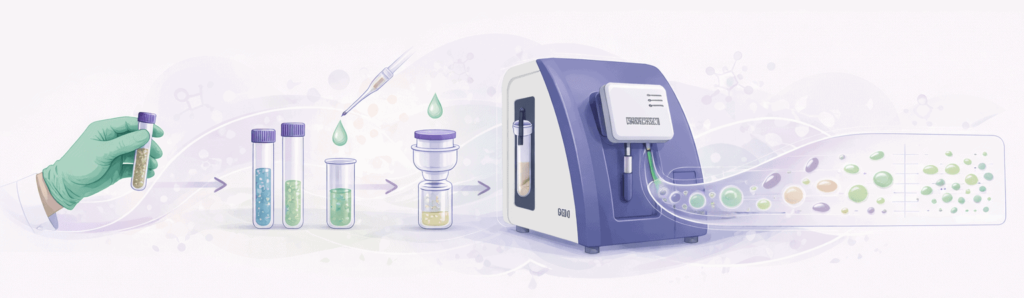
From sample to decision in under 5 minutes
Minimal preparation. No staining, no markers. No incubation. No calibration.
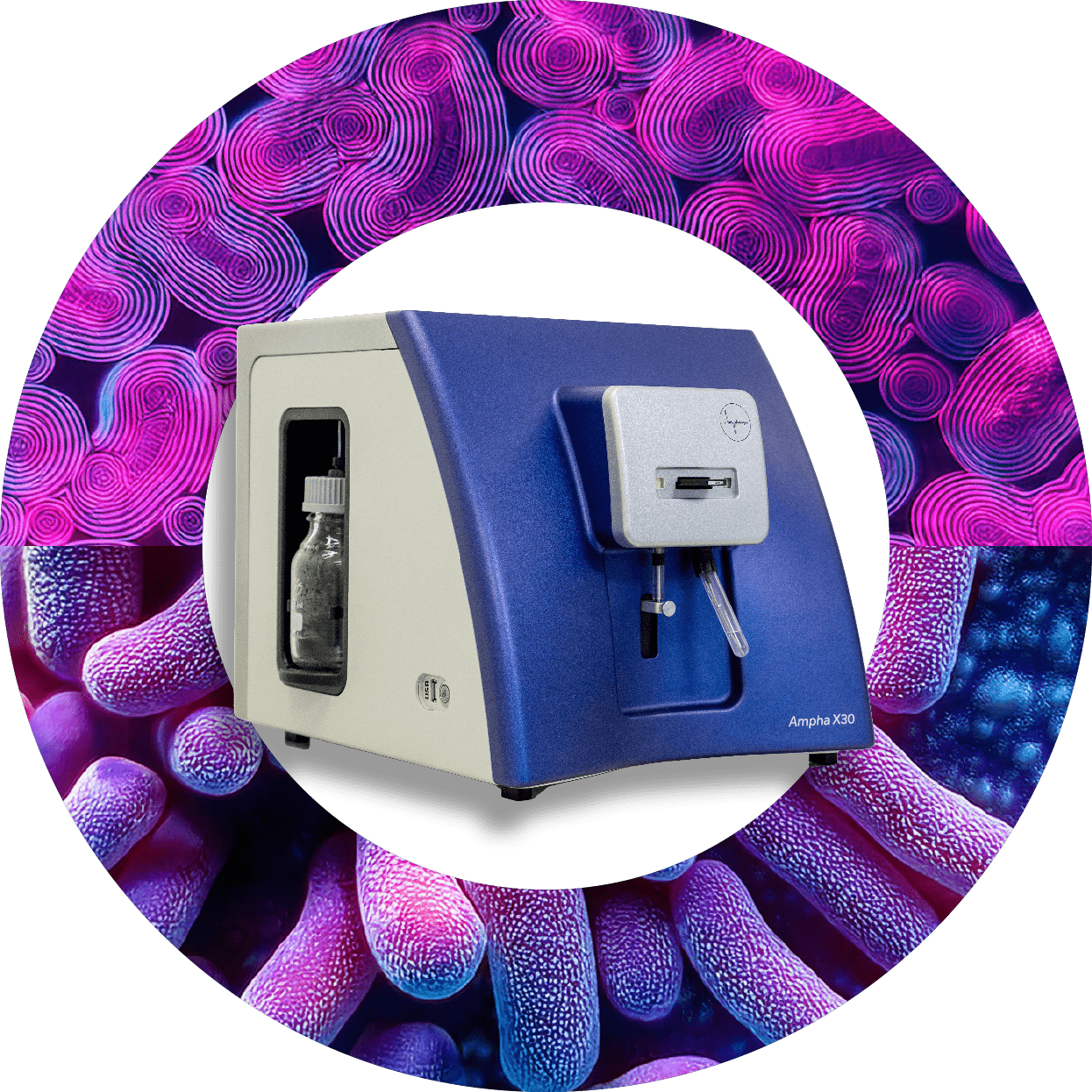
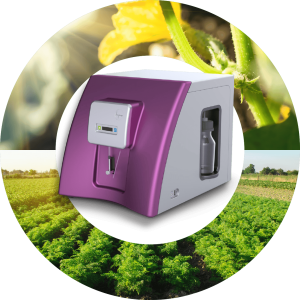
Take a cell sample -> Optional dilution -> Addition of conductive buffer -> Filtration into sampling tube -> Load into Ampha X30 -> Automated measurement -> Data analysis + Results
APPLICATIONS:
Yeast Go to Application
Optimizing fermentation requires real-time insight into the physiological state of your yeast cells. Whether cells are dormant, in lag phase, or under stress, Amphasys delivers label-free, real-time data — without staining or incubation — to help you monitor and adjust conditions with confidence.
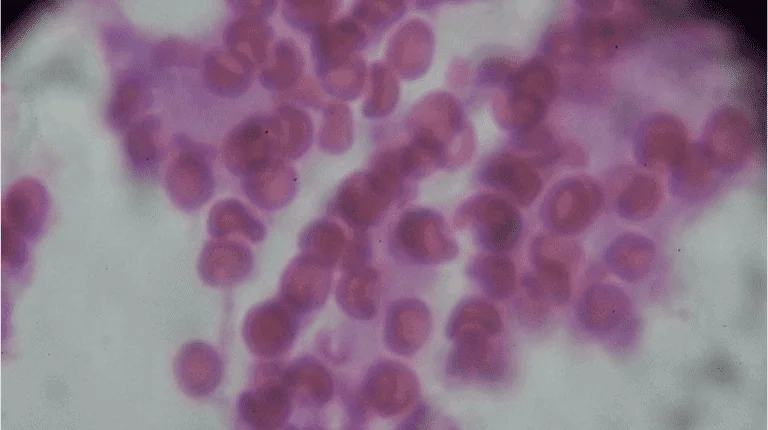
Monitor human and animal cell cultures with speed and simplicity. Amphasys provides real-time insights into cell viability, count, and metabolic status — helping you detect when cells are suffering from depletion of nutrients or under suboptimal conditions. And because no labels or dyes are used, cells remain intact for sorting or tissue culture after analysis.
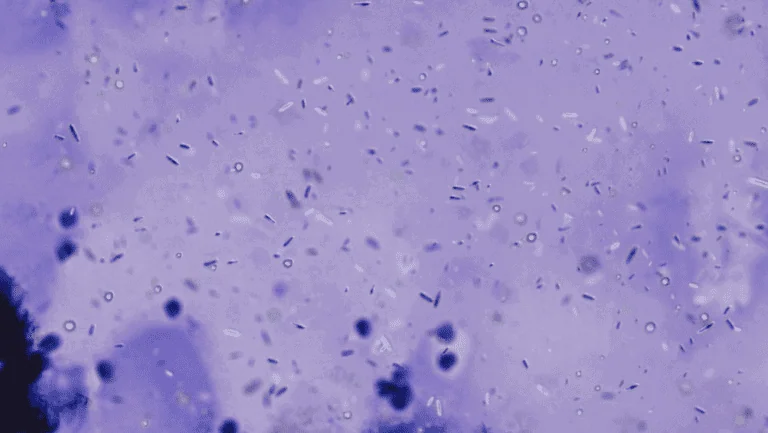
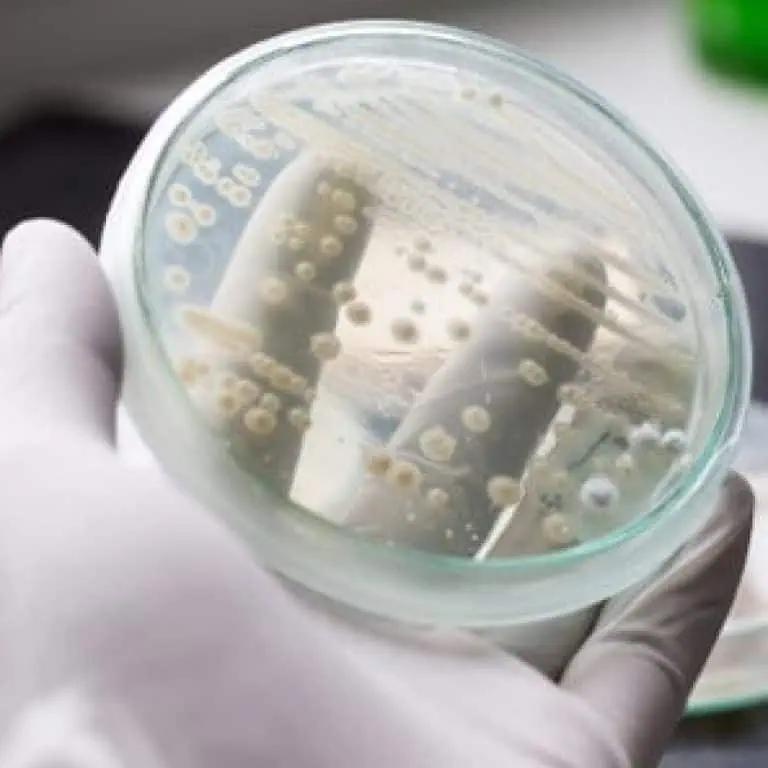
Reliable bacterial monitoring — made simple. Amphasys lets you measure cell count and viability of bacterial cultures in real-time. Therefore, you avoid CFU plating, incubation, and complex preparation. Our label-free technology is based on impedance. As a result, it enables precise, on-the-spot monitoring of bacterial performance in bioprocesses. Moreover, it gives you the data you need to optimize growth, adapt conditions, and ensure process consistency.
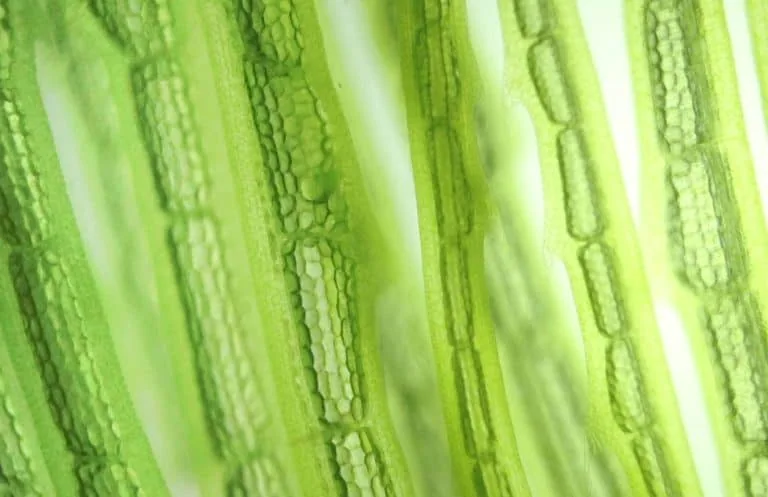
Algae play a growing role in the production of biofuels, nutraceuticals, and pharmaceuticals. With Amphasys, you can monitor viability, concentration, and cell health. Moreover, it works even in auto-fluorescent environments. Therefore, you gain better control of light exposure, nutrients, and harvesting strategies
Other Cells Go to Application
From fungi and spores to somatic cells in milk or fat-rich food matrices — Amphasys enables versatile monitoring across diverse applications. It is based on impedance technology. Our technology supports cell sizes from 1 to 50 μm. Additionally, larger cells like plant cells and spheroids can be analyzed. However, they require a specialized setup.
Comparison of methods for cell analysis
Different analytical methods address different needs. This overview highlights the specific requirements that impedance flow cytometry fulfills.
| Requirement | OD600 Spectrophotometry | CFU plating Colony counting | Dye-based staining Trypan blue, methylene blue | Flow cytometry Fluorescence-based | Capacitance probes In-line, real-time | Amphasys Impedance Flow Cytometry Label-free, single-cell |
|---|---|---|---|---|---|---|
| Cell viability | No Turbidity only | Culturable only Misses VBNC cells | Binary Dead / viable | Quantitative With appropriate dyes | Trend Bulk viable biomass | Quantitative Label-free, single-cell |
| Cell count | Indirect Arbitrary units | Yes After 24–72 h | Manual / semi-automated Hemocytometer | Direct Each cell counted individually | Trend only Estimated viable biomass | Direct Each cell counted individually |
| Metabolic state | No | No | No | Yes Dedicated markers needed | No | Yes Membrane + cytoplasm |
| Cell integrity | Intact | Intact Plated on agar | Altered Dye is cytotoxic | Altered Labels change cells | Intact Non-invasive | Intact Cells fully reusable |
| Time to result | < 1 min | 24–72 hours | 5–30 min | 30–60 min | Real-time | < 1 min |
| Operator dependency | Low | High | High (manual) Low when automated | High Skilled personnel needed | Low | Low Reproducible results |
| Sample preparation | Dilution + calibration | Dilution + plating + incubation | Staining + counting | Staining + incubation | Calibration Per organism and conditions | Minimal Optional dilution and filtration, label-free |
| Single-cell resolution | No Bulk signal | No Colony level | Limited | Yes | No Bulk signal | Yes Every cell measured |
| Works in turbid / autofluorescent media | Limited Affected by turbidity | Yes Culture-based | Limited Optical interference | Limited Autofluorescence issues | Yes | Yes Impedance is optical-independent |


Reviews
There are no reviews yet.