

TEXTURE ANALYZER
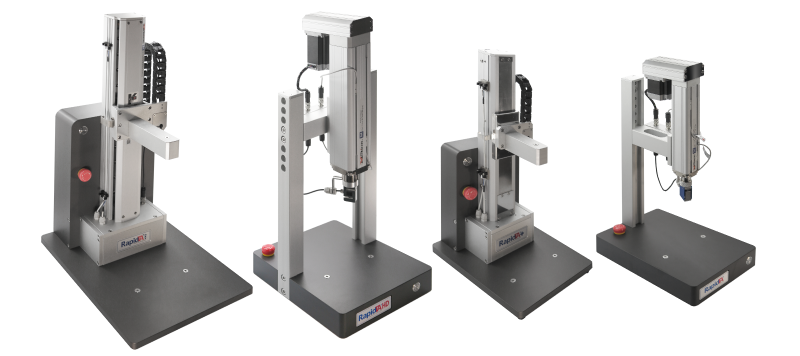
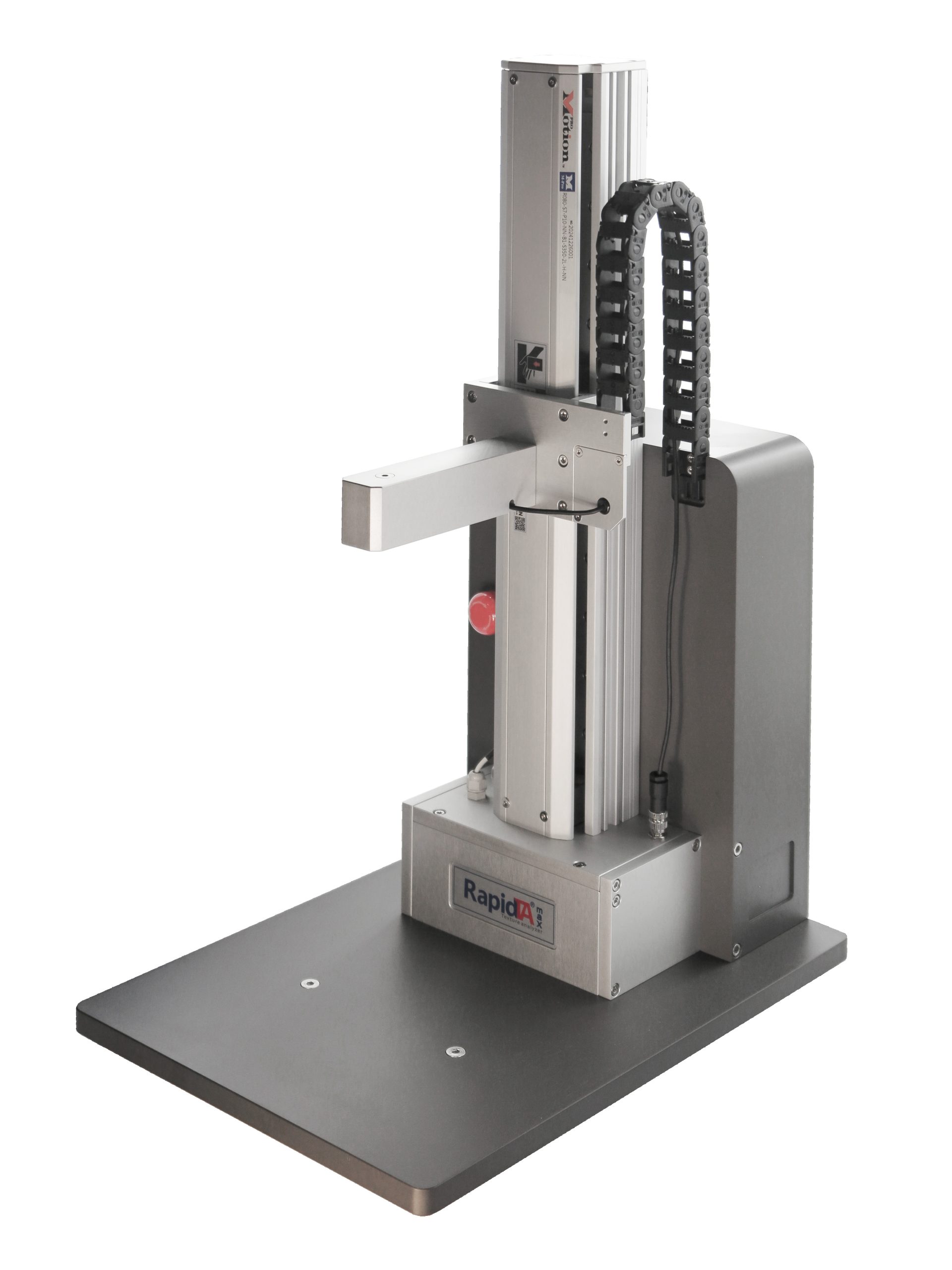
RAPIDTA_MAX
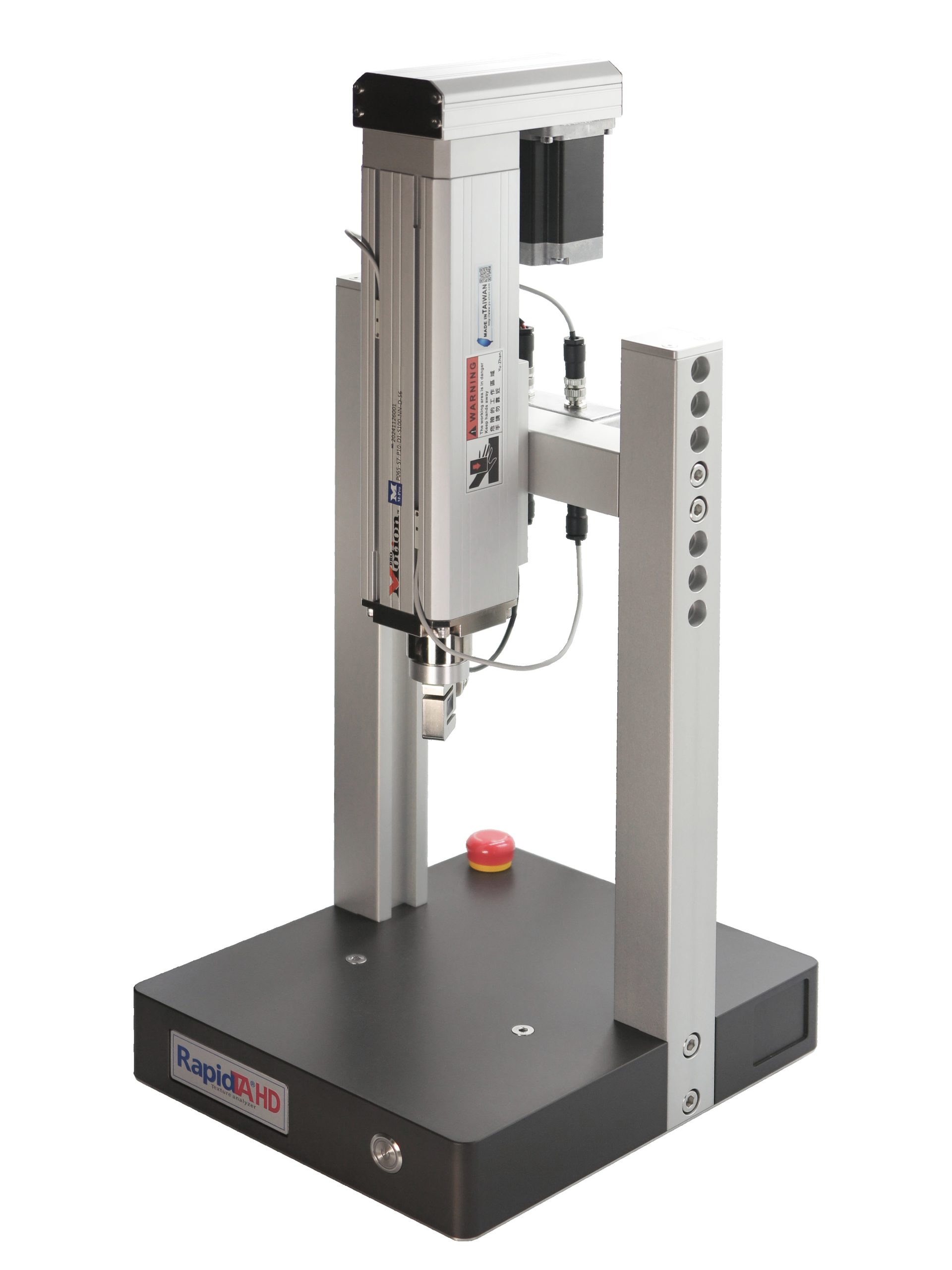
RAPIDTA HD
RAPIDTA +
RAPIDTA
| Instruments features |
1. With height correction, you can perform a set deformation (Strain%) pressure test.
|
2. No need to waste money on functions you don’t use.
|
 | Model: RapidTA
|
 | Model: RapidTA +
|
 | Model: RapidTA max
|
| Instrument Model | Valid test schedule | Maximum load limit | Suggested application scenarios |
|---|---|---|---|
| RapidTA Standard | 100mm | 20kg | Portable on-site rapid testing, QC for small and medium-sized baking sites |
| RapidTA+ | 200mm | 20kg | Advanced food R&D laboratory, diversified product quality control |
| RapidTA HD | 100mm | 50kg | Applications requiring high load capacity for industrial-grade food ingredients and robust packaging with strong breaking strength. |
| RapidTA MAX | 350mm | 50kg | Rheological research in academia and analysis of precise and complex test curves |
Some knowledge related Texture analyzer
Basic Knowledge
Principle of texture analyzer: Texture analyzer is an analytical instrument containing three elements: time, force and distance.
Stress and Strain%: The most important concepts.
Texture Profile Analysis, TPA: The classic test method of simulating two bites. It almost became the second name of texture analyzer.
How to obtain reliable experimental data: The analysis concept of texture analyzer, experimental design principles, and reliable data are the only basis for making decisions.
Movement description
Basic single test: After completing the pressing or stretching movement, return to the original starting point. Almost 90% of food tests are completed with this testing action. This test action is also the basis for all subsequent test actions. A single test can be used to determine various test parameters such as product hardness, elasticity, viscosity, puncture resistance, and tensile strength.
Cycle test: Complete multiple single tests. This test is mainly used for fatigue testing of materials, or to study the degree of user sensory changes after multiple uses of the product.
Relaxation test: Press down or pull up to reach the specified position, stop for a period of time, and then return to the original starting point. It is mainly used to detect the elasticity-related parameters of food.
TPA Texture Profile Analysis: A test action that simulates human chewing by pressing down twice. This is a classic test method for the food industry developed in the 1960s. It can obtain multiple complete descriptions after one test. Parameters of taste.
Adhesive test / Creep test: Continuously stable at the target force set by the user, used to determine the swelling characteristics of the sample.
Accessories
Adapter: Using as an adapter part between the force sensor and the probe. It can be used with other brands of instruments and comes in various lengths.
Cylindrical probes: It can perform puncture testing on samples.
Needle probes: Mainly used for puncture testing.
Spherical probes: used for penetration testing, pressure testing, and viscosity testing.
Cone probes: Used for puncture testing.
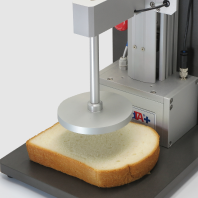
Compression Plate: Compression test, used for ranges where the probe size is larger than the sample size.
Plunger: Difference size can be used with sample cups.
Cup: Sample cups can be made in various sizes, materials, lids, etc.
Knife: Using meat and meat processed products.
Reviews
There are no reviews yet.